Darryll’s Story
About
Rebuilt from the Inside Out. A journey deeper into Darryll’s life
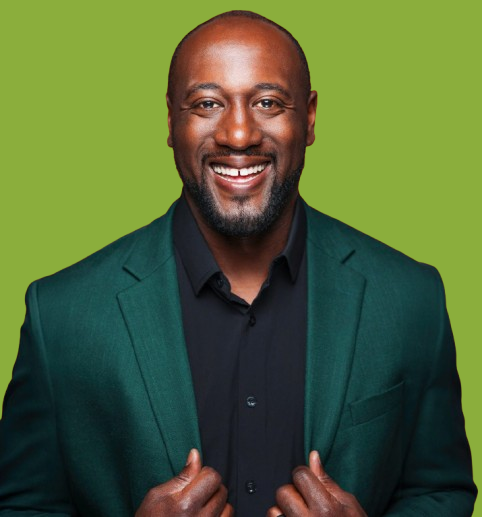
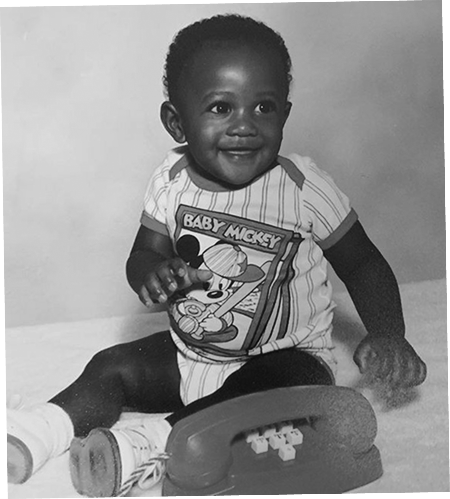
Darryll Stinson grew up in Jackson, Michigan, a small city about an hour west of Detroit.
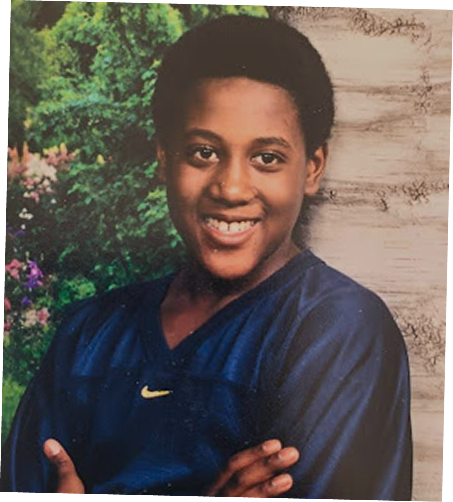
In a place where safety was scarce and identity often had to be negotiated for survival, Darryll stood out early. He was brilliant. A straight-A student. Curious. Sensitive. Goofy. His peers nicknamed him “Goon.”
But none of that protected him from the sting of being teased for “talking white,” having a wide gap in his teeth, and being different in a world that demanded conformity.
By the time he hit middle school, Darryll traded his authenticity for acceptance. He changed his voice. His laugh. The music he listened to. His wardrobe and his habits just to fit in. He began skipping school, selling drugs and running the streets. But on the basketball court and football field, he found what felt like refuge, and a momentary relief from the ache of not belonging.
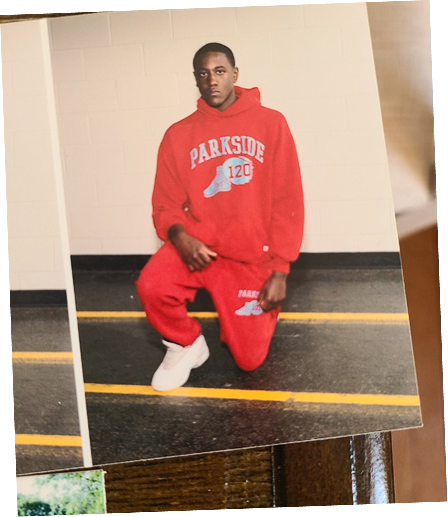
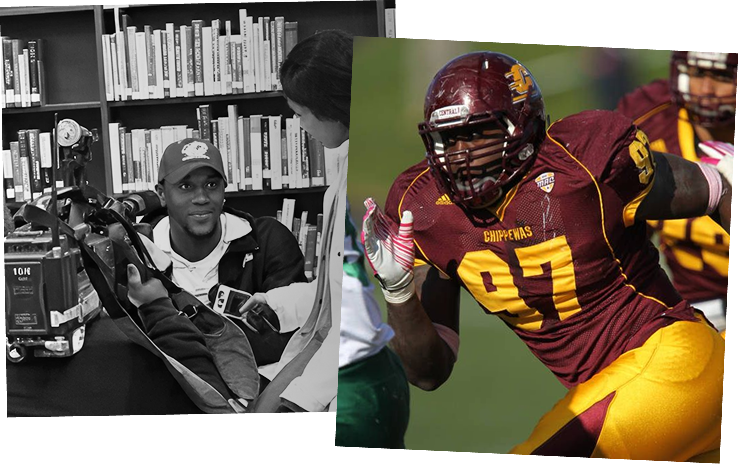
He became one of the nation’s Top 100 high school athletes, sharing courts and fields with the likes of Brandon Jennings, Draymond Green, Michael Jordan’s son, and dozens more NBA and NFL athletes. That visibility and status earned him a full-ride football scholarship to Central Michigan University under legendary coach Butch Jones. His future seemed bright. It was only a matter of time before he would reach his dream of being a professional athlete.
But fate had other plans.
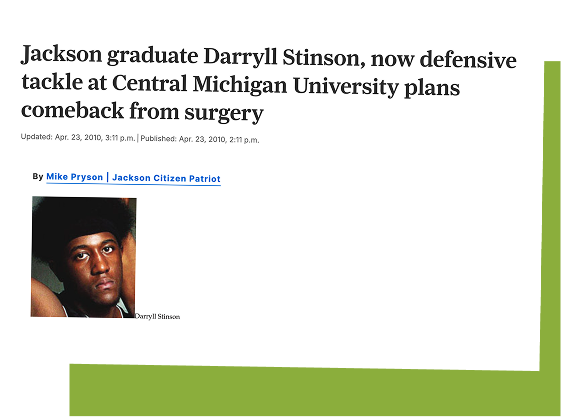
His true Freshman year, Darryll underwent major spinal surgery after a weight-lifting incident. The athletics office offered to honor his scholarship so he could focus on his education. But Darryll was stubborn and determined not to quit.
So, he signed an injury/death liability waiver and came back to play again.
He started as a strong side defensive end for two years on a team with 12+ NFL/CFL players including Antonio Brown and 2012 #1 NFL draft pick Eric Fisher. How so!? Determination, grit, and following an extreme minute-by-minute disciplined rehabilitation routine. Oh… yeah… and behind the scenes, he was getting epidural shots in his back, burning his spinal nerves to block pain, and using pain killers (opioids) to keep his body performing and his dream alive.
The worst part is that he was selling drugs across the state of Michigan to pay for his medical expenses. Eventually, the truth caught up with him. His back began to hunch permanently.
His athletic trainers started noticing blood coming from his nose during practices and games (from the opioid pills thinning his blood).
His body was breaking down. His addiction was becoming impossible to hide. And before his senior year, Darryll was removed from the active roster of the team. No more games. No more helmet to hide behind. Without sports fueling his affirmation and identity, Darryll was forced to face the insecurities and inadequacies he had suppressed beneath his success. He spiraled into a dark depression. He starved himself from 275 pounds to 219 in just four weeks, and made several more attempts to end his life.
Until his mother stepped in.
Refusing to lose her son, she got him on the phone in the middle of his last attempt and talked him out of it. She drove him to a psychiatric unit in Detroit. That was the day that changed everything.
“Say yes to God.”
Darryll had two people who didn’t know each other and never spoke to one another tell him the same thing:
So he did. His eyes that were nearly swollen shut were healed. His depression vanished. Inside that hospital, Darryll felt hope and purpose for the first time since he was a kid. From there, he followed a new path of success with self-care as the priority. He journaled. Sat in silence. Spent hours in therapy and prayer facing his pain head-on. He got clear on his purpose, his calling, and his values. That became the foundation for the next chapter of his life.
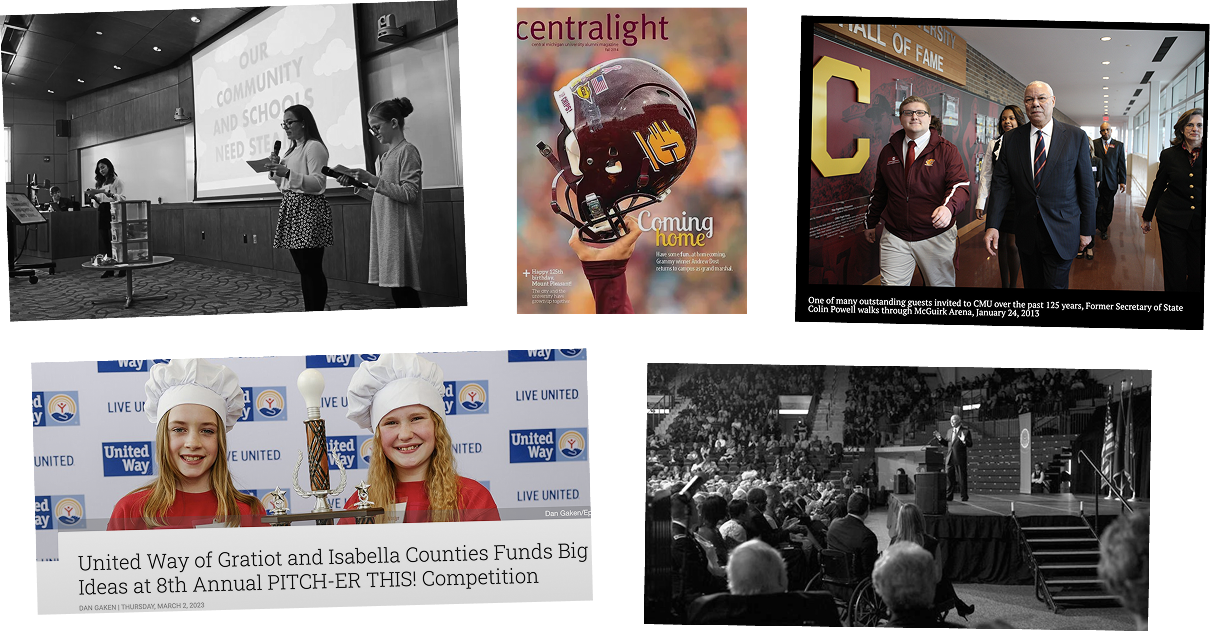
He returned to CMU and earned his degree in Integrative Public Relations in 2012. He landed a job as the university’s Coordinator of Content Solutions and quickly put his communication skills to use — writing speeches, press releases, magazine feature stories, and marketing campaigns. Ultimately, beneath the leadership of CMU Hall-of-Fame Journalism alumna Sherry Knight, Darryll was part of another winning team, winning two national Top 3 Higher Ed communication awards (#1 & 3).
But Darryll wasn’t done healing. Or helping.
He left higher ed to enter pastoral ministry. First in Mount Pleasant, Michigan, then Saginaw, Michigan, then in Atlanta, Georgia. There, he served communities impacted by addiction and built bridges between faith and business.
It was meaningful work, but he was still struggling to find his voice.
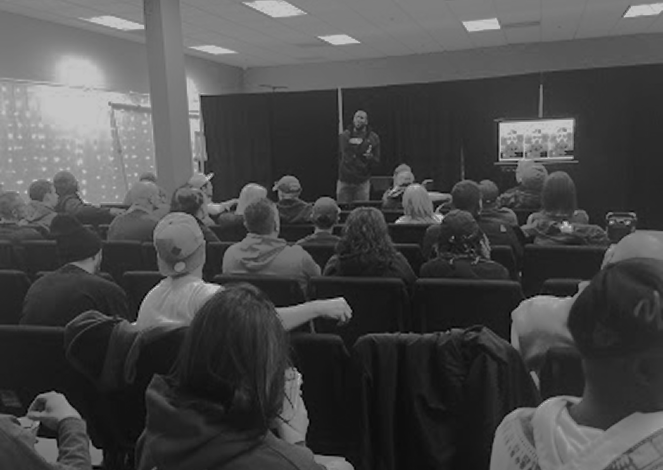
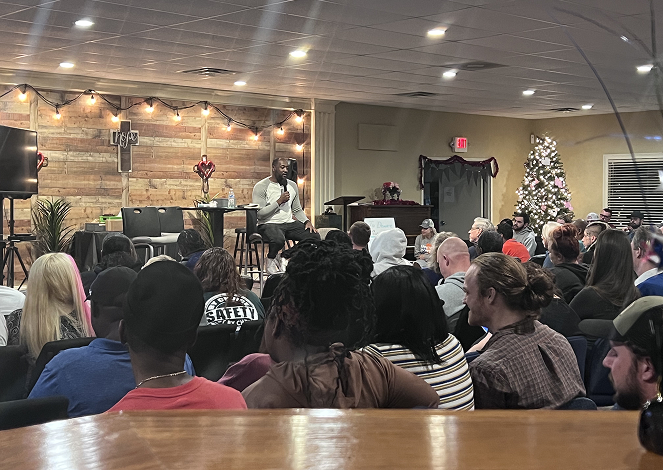
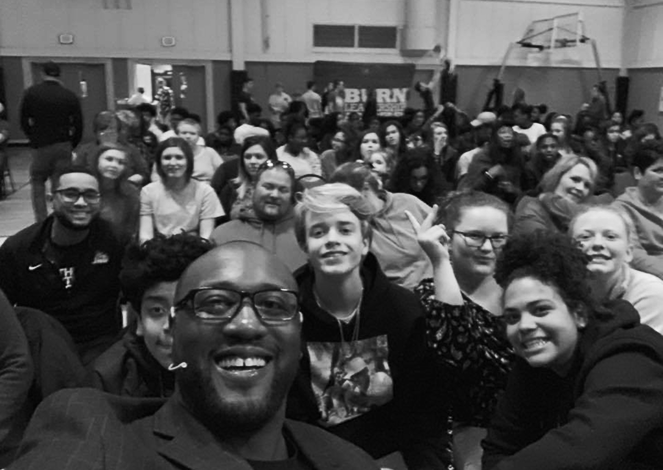
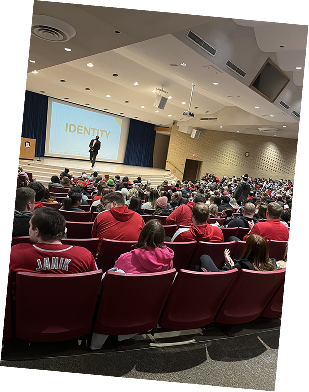
Speaking still terrified him. He fumbled trying to recite memorized scripts. He mimicked other successful speakers and tried to be a version of them. He prayed, and prayed, and prayed for God to let him do anything else besides speak and lead. But he kept showing up anyways. Speaking to student-athletes, churches, civic groups, and who he felt his message could be helpful to.
He got better. More honest. More vulnerable. More bold.
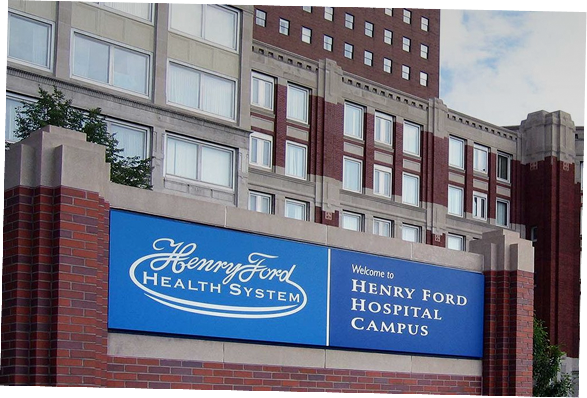
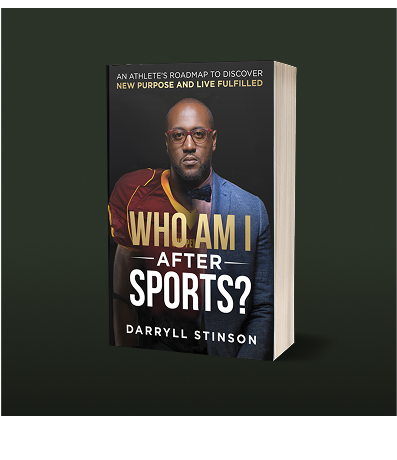
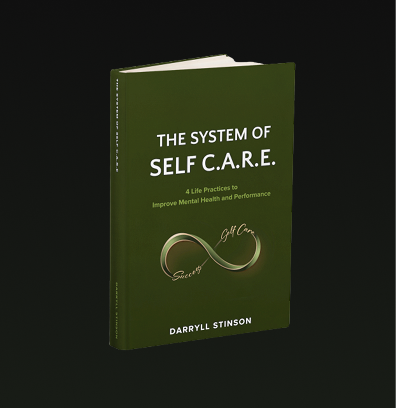
Early clients like Big Brothers Big Sisters, Henry Ford Health Systems, and the NCAA began to take notice. He kept speaking. Kept healing. Wrote his first book, Who Am I After Sports?, and sold thousands of copies to athletes at every level.
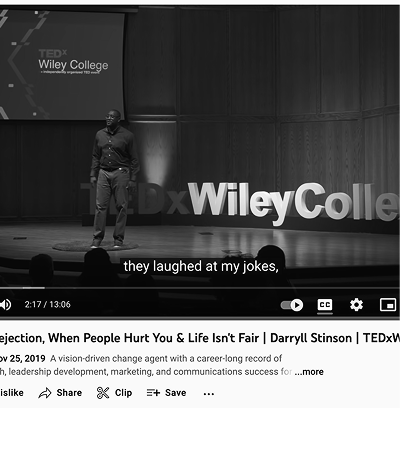
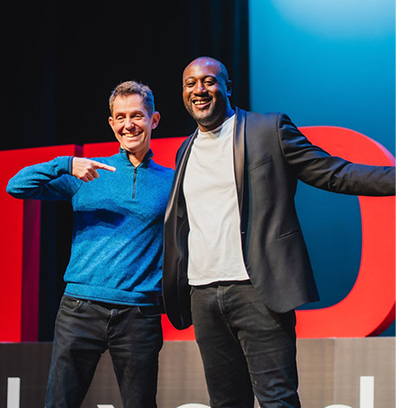
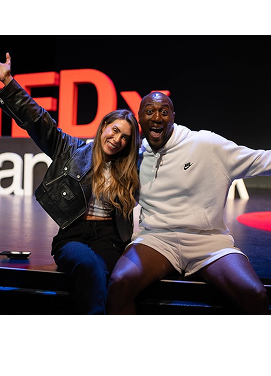
Then came the TEDx talk ‘Overcoming Rejection’, which went viral, garnering 2.1 million views in just 18 months.
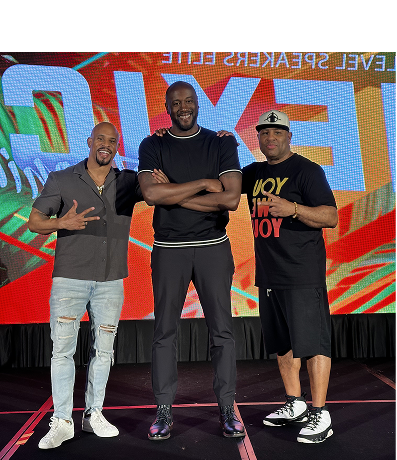
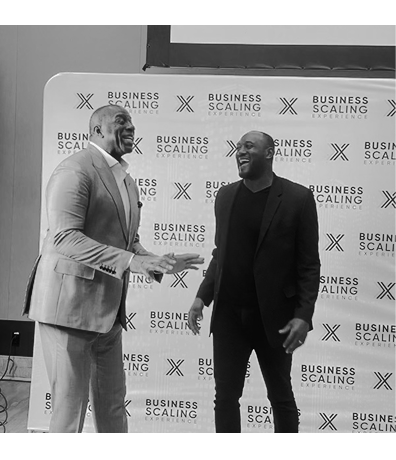
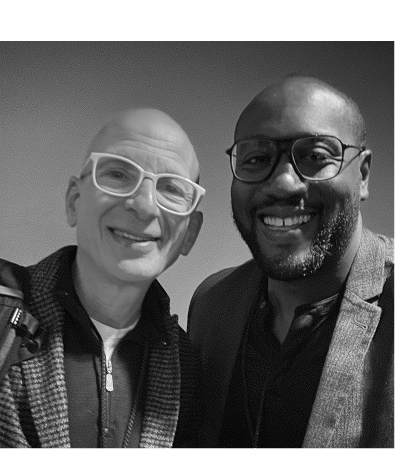
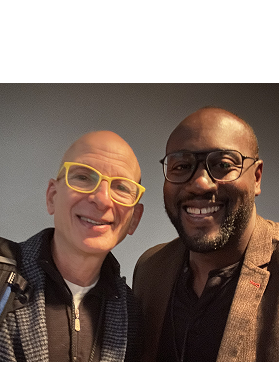
Doors opened. Stages expanded. He started speaking for companies like Dicks Sporting Goods, Amazon (AWS), DSM-Firmtech, and Schneider Electric. He began sharing platforms with celebrities and influencers like Eric Thomas, Chris Gronkowski, Seth Godin, Sharon Lechter, Jack Canfield, Les Brown, Magic Johnson and more.
But Darryll wasn’t chasing fame.
He was seeding impact.
He started coaching entrepreneurs and leaders across the globe, helping them shape their story and share their message while growing their movements and themselves.
Today, Darryll is the co-founder of Seeding Greatness, an organizational force for good on a mission to heal humanity through powerful vocal leaders driving measurable impact.
He hosts the Seeding Greatness Podcast. Runs transformational retreats and coaching programs. And serves as the organizer and licensee of TEDxCoolSpringsYouth in Tennessee.
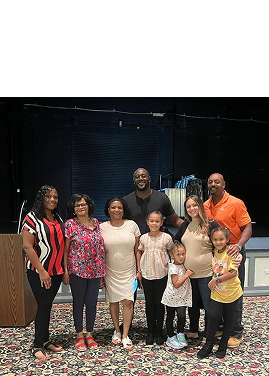
His greatest gift, and in many ways, the clearest reflection of his work: Being married for 10+ years to his wife, Brittany — and fathering their five children, Ava, Arianna, Amaya, Isaiah and Ayla.
Darryll’s story isn’t about “going from nobody to somebody.”
It’s about becoming who he already was on the inside the entire time. And that’s the message that he’s here to perpetuate. Everything that’s hardwired into your purest and deepest desires is inevitable when you stop questioning your greatness and start seeding it into others. The journey to greatness isn’t about becoming #1. It’s about being 1 of 1. And that, as Darryll likes to say, is something “you already are.”

Family and Community